


Future-Proofing Reticulation Design for Renewable Integration
Why today’s electrical designs are already outdated—and how to fix that
The uncomfortable truth: most reticulation designs are already obsolete
Across the commercial and industrial (C&I) sector, electrical reticulation systems are still being designed as if the grid will remain the sole—and stable—source of power.
That assumption no longer holds.
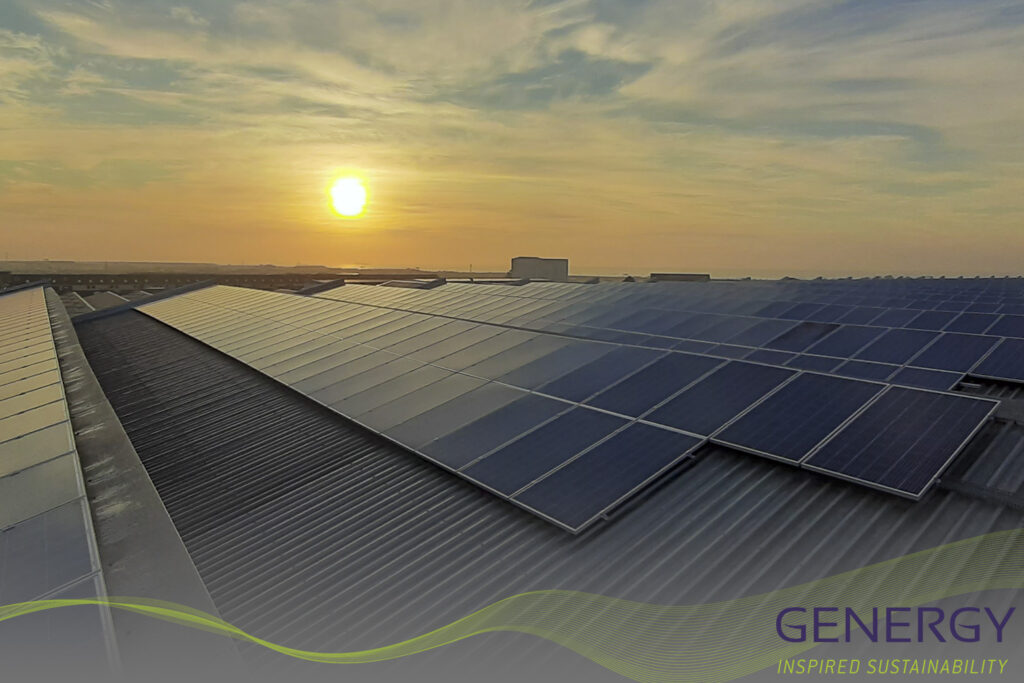
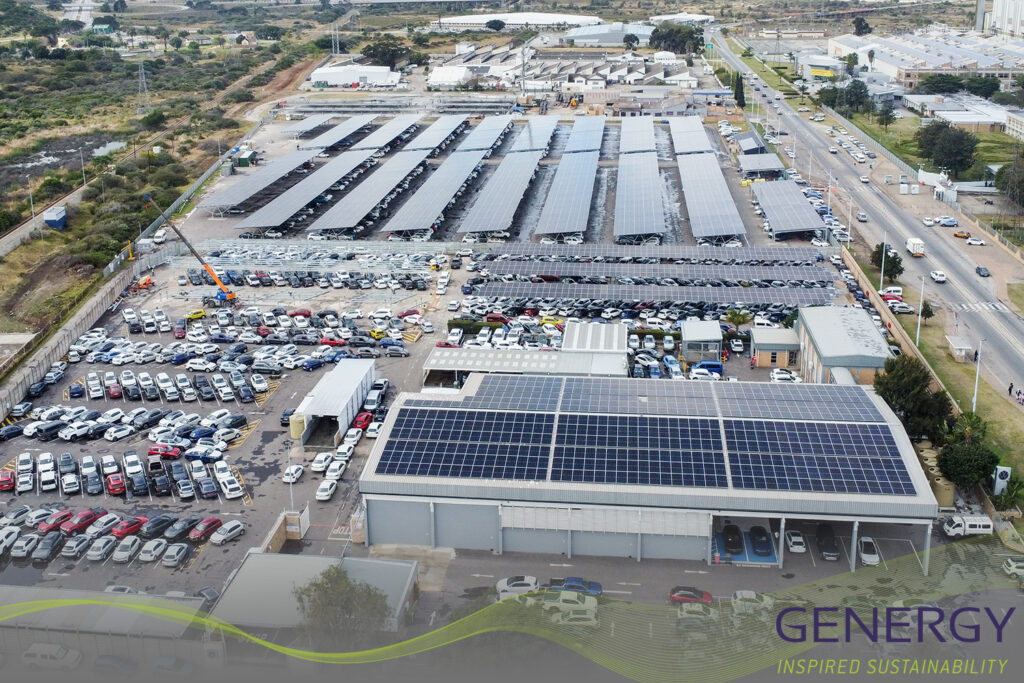
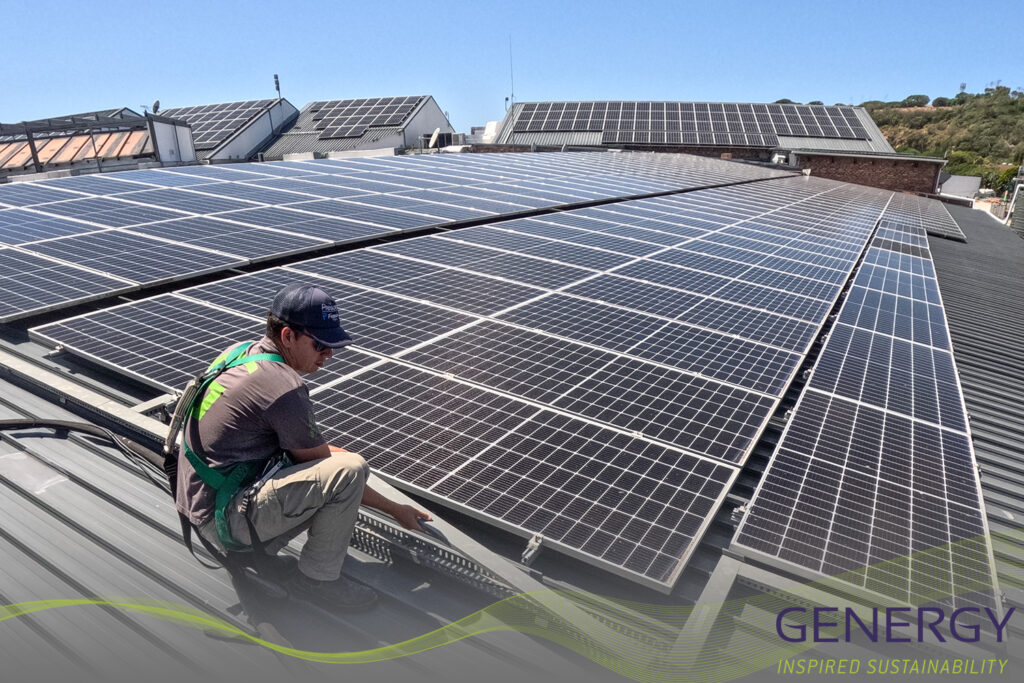
With the rapid adoption of rooftop PV, embedded generation, and battery energy storage systems (BESS), the way energy flows through facilities has fundamentally changed. Power is no longer one-directional. It is dynamic, decentralised, and increasingly unpredictable.
Yet many designs still:
- Assume fixed load profiles
- Ignore reverse power flow
- Exclude future generation capacity
- Treat renewables as “add-ons” instead of core infrastructure
The result? Infrastructure that works on day one—but becomes a constraint by year two.
The real cost of not planning ahead
Failing to account for renewable integration at the design stage doesn’t just create technical challenges—it creates financial and operational risk.
1. Expensive retrofits
Adding PV or BESS to a system that wasn’t designed for it often requires:
- Upgrading transformers and switchgear
- Reconfiguring distribution boards
- Replacing protection systems
These costs can easily exceed the original savings expected from the renewable installation.
2. Redesign delays and project disruption
When renewable integration is treated as an afterthought:
- Engineering teams must revisit and reapprove designs
- Construction timelines are extended
- Operations are disrupted during modifications
In fast-moving commercial environments, delays translate directly into lost revenue.
3. Underperforming renewable assets
Even when PV or BESS is successfully added, poor integration can lead to:
- Curtailment of solar generation
- Inefficient battery cycling
- Reduced return on investment
In other words, you may install renewable capacity—but never fully benefit from it.
4. Compliance and grid constraints
Utilities and regulators are tightening requirements around embedded generation. Designs that don’t anticipate:
- Protection coordination
- Grid code compliance
- Export limitations
…risk rejection, penalties, or forced redesigns.

The shift: from static design to adaptive infrastructure
Future-proofing is not about oversizing everything. It’s about designing intelligently for flexibility.
At a high level, this means rethinking reticulation systems as platforms for energy integration—not just distribution networks.
What should be considered upfront?
While every site is unique, several foundational principles consistently separate future-ready designs from outdated ones:
1. Capacity planning beyond immediate demand
Designs should account for:
- Future PV penetration
- Battery storage integration
- Load growth and electrification trends
This doesn’t mean building everything now—but ensuring the system can accommodate it later.
2. Bidirectional power flow readiness and consideration
Traditional systems assume power flows from the grid to the load. That’s no longer sufficient.
Future-ready systems must:
- Handle reverse power flow safely
- Maintain protection integrity
- Avoid nuisance tripping
3. Protection and control strategy alignment
Protection schemes must evolve alongside system complexity.
Key considerations include:
- Adaptive protection settings
- Coordination between grid and embedded generation
- Fault detection in hybrid systems
4. Modular and scalable architecture
Rigid designs lock you into today’s assumptions.
A modular approach allows:
- Incremental addition of PV and BESS
- Easier upgrades
- Reduced downtime during expansion
5. Space, layout, and infrastructure allowances
One of the most overlooked factors is physical planning.
Future integration requires:
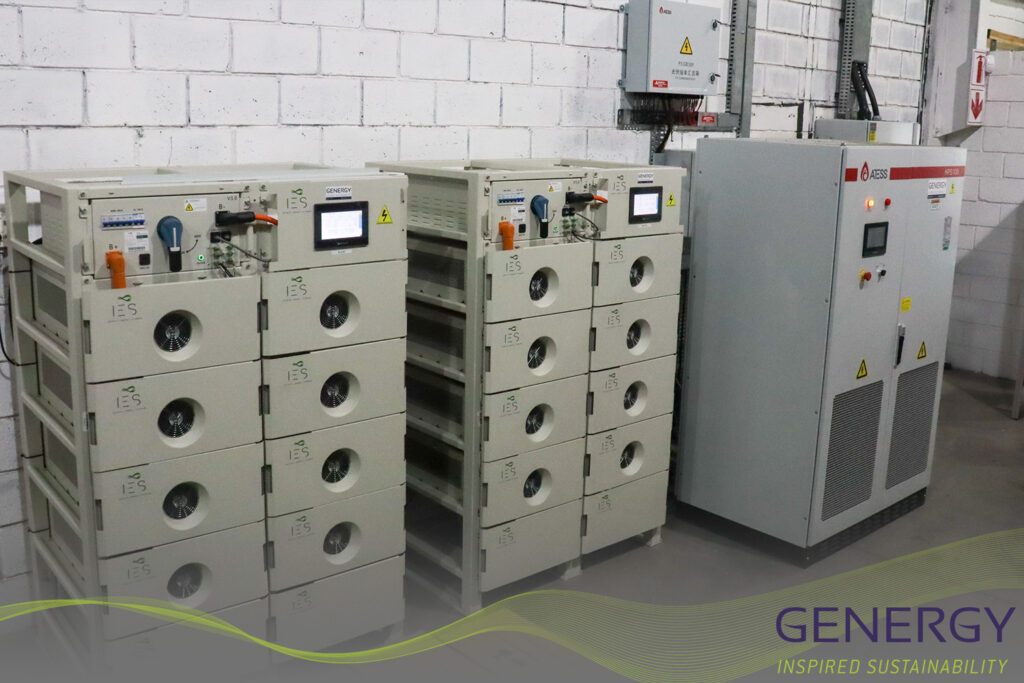
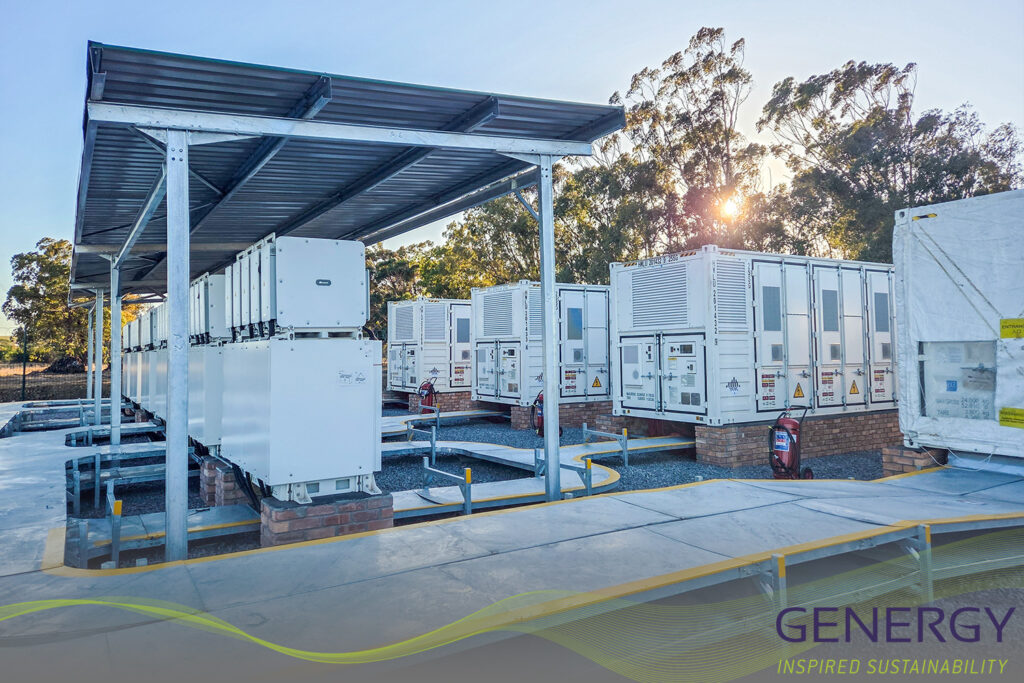
- Space for inverters and batteries
- Cable routing provisions
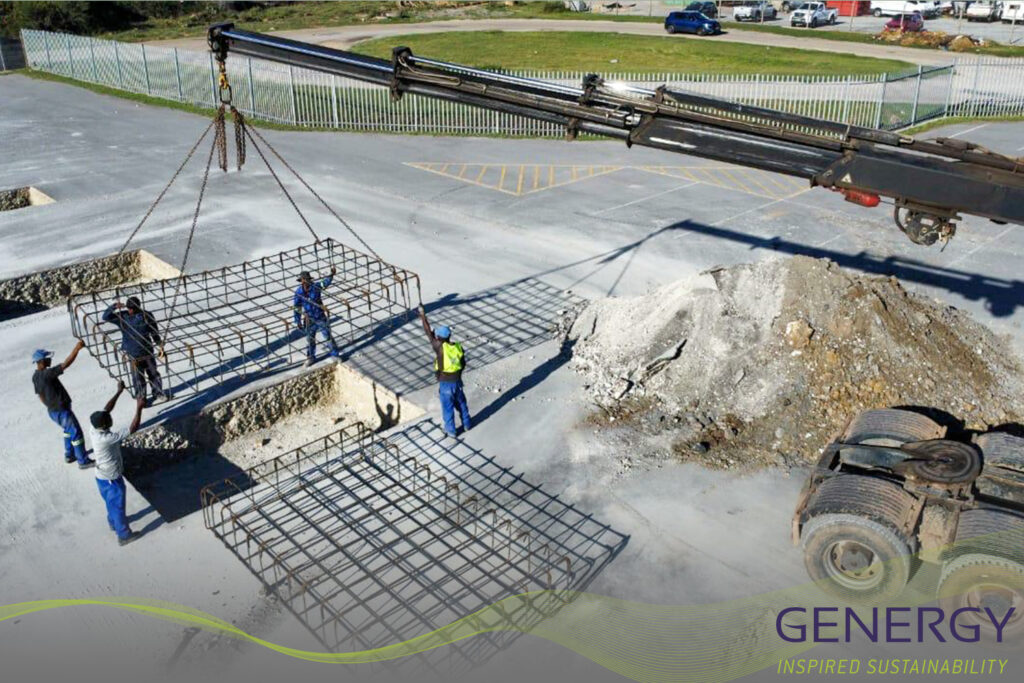
- Structural readiness for rooftop PV
If space isn’t planned early, integration becomes significantly more complex and costly.
6. Data, monitoring, and energy management readiness
Renewable integration is not just about hardware—it’s about intelligence.
Systems should be designed to support:
- Real-time monitoring
- Energy management systems (EMS)
- Optimisation of generation, storage, and consumption
Why this matters now
The pace of renewable adoption in the C&I sector is accelerating. What was once a “future consideration” is now a near-term requirement.
Organisations that fail to adapt their design philosophy will find themselves:
- Paying more for upgrades
- Falling behind competitors
- Missing out on energy cost savings and resilience benefits
Design with the end in mind
Future-proofing isn’t a theoretical exercise—it’s a practical engineering discipline.
It requires:
- Understanding how energy systems are evolving
- Integrating renewables from day one
- Designing for flexibility without unnecessary cost
This is where experience in both reticulation design and renewable integration becomes critical.
Final Thoughts
The question is no longer if renewable energy will be integrated into your facility—it’s how easily and cost-effectively it can be done when the time comes.
Design decisions made today will determine that outcome.
